
body.single-post .wp-block-post-featured-image,body.single-post .post-thumbnail{display:none!important}
My personal experience with YuSleep sleep drops, what their ingredients may offer, and the bedtime habits that have made a difference for me.
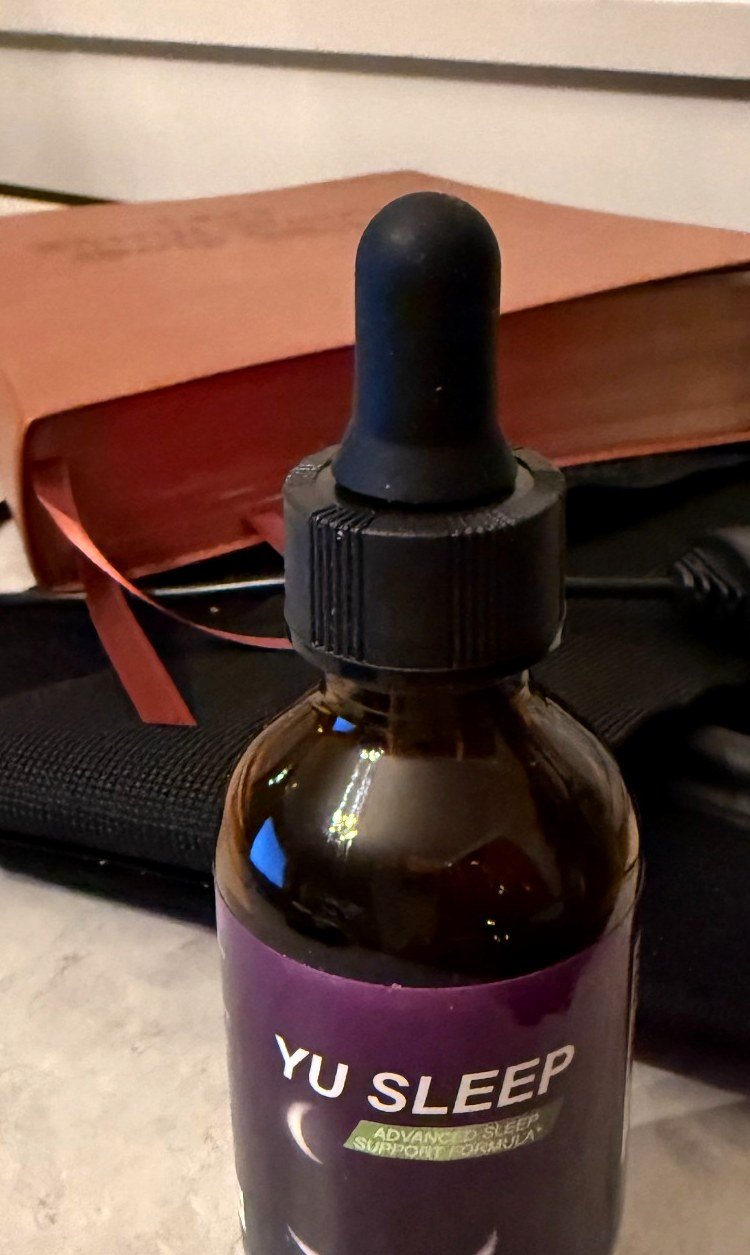
Affiliate disclosure: This article contains affiliate links. I may earn a commission if you purchase through my link, at no additional cost to you.
Why a Good Night’s Sleep Matters
Have you ever gone to bed exhausted, only to find that your mind refuses to settle down? Or perhaps you fall asleep but wake repeatedly during the night and feel tired in the morning.
For busy women balancing work, family, and everyday responsibilities, restorative sleep can be difficult to prioritize. Yet sleep supports memory, emotional well-being, immune function, and the body’s recovery processes. I’ve been exploring practical ways to improve my own sleep, including more consistent evening habits and YuSleep liquid sleep drops.
What Is YuSleep?
YuSleep is a liquid dietary supplement marketed to support relaxation and sleep. It combines melatonin with several other nutrients and plant-derived ingredients commonly found in sleep-support products. The dropper format may appeal to people who prefer not to swallow capsules.
It is a supplement, not a treatment for chronic insomnia or an underlying sleep disorder. The complete YuSleep formula has not been established as clinically effective by the evidence reviewed for this article.
What’s Inside YuSleep?
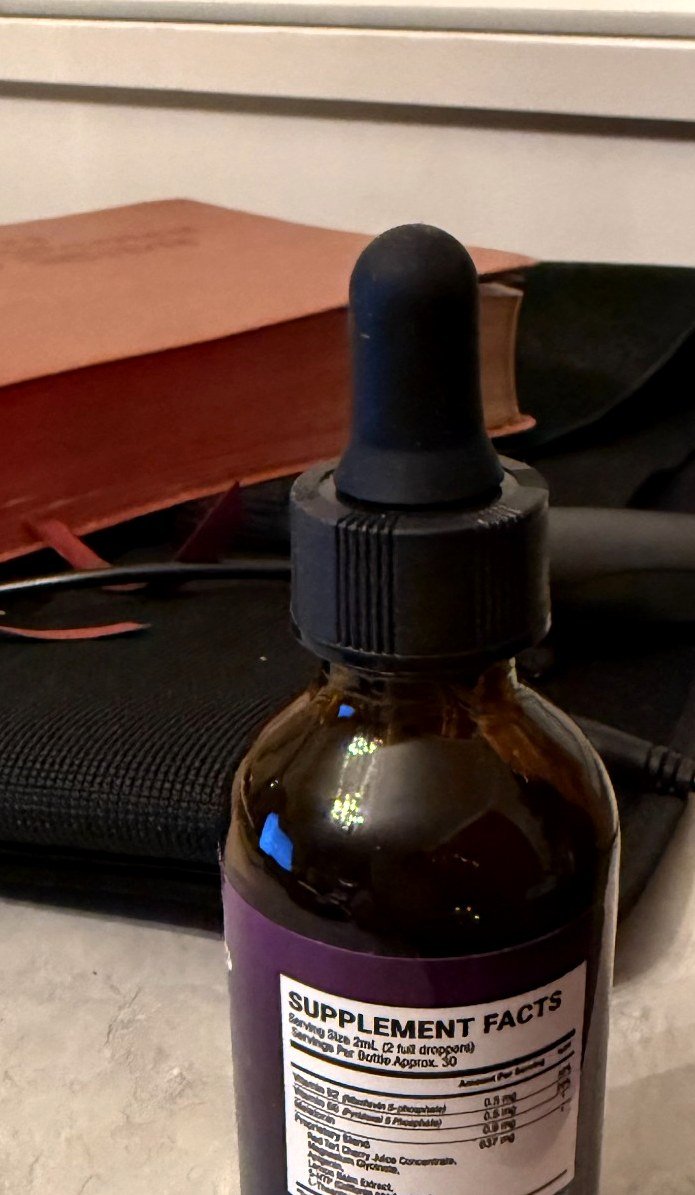
Based on ingredient details I previously recorded from my bottle, a two-dropper serving was listed as containing:
- Vitamin B2: 0.5 mg
- Vitamin B6: 0.5 mg
- Melatonin: 0.9 mg
- Proprietary sleep-support blend: 637 mg total
The blend was reported to include tart cherry, magnesium glycinate, apigenin, lemon balm, 5-HTP, L-theanine, and GABA. Please check your own bottle for the current formulation and directions: these details are based on an earlier label transcription, not a newly verified manufacturer label. The proprietary blend does not disclose the individual amount of each ingredient.
Melatonin and the Sleep-Wake Cycle
Melatonin is a hormone the body naturally produces to help regulate sleep timing. Supplemental melatonin may help some people fall asleep sooner, especially when their body clock is out of sync. It does not guarantee uninterrupted or deeper sleep.
Ingredients Associated With Relaxation
L-theanine and lemon balm have been studied for possible calming effects. Magnesium supports normal nerve and muscle function, although evidence that magnesium supplements improve sleep is limited. Tart cherry products have shown mixed results in small sleep studies.
GABA and apigenin are also marketed for relaxation, but strong human evidence for oral supplements is limited. The presence of these ingredients does not prove that YuSleep itself will improve sleep quality.
A Note About 5-HTP
5-HTP is involved in the body’s production of serotonin. Evidence for its use as a sleep aid is limited, and it can interact dangerously with medications that affect serotonin. That is an important reason to review the full label and check with a qualified healthcare professional before taking this product.
Five Potential Reasons Someone Might Consider YuSleep
1. Sleep-Timing Support
Its melatonin content may help with certain difficulties related to falling asleep or sleep timing, although individual results vary.
2. An Evening Wind-Down Ritual
Some of its ingredients are being studied for possible relaxation benefits. A regular, calming bedtime routine may be valuable regardless of whether a supplement helps.
3. A Convenient Liquid Format
The dropper makes YuSleep an alternative to tablets or capsules. Always use the directions on the current bottle rather than assuming that every formulation has the same serving size.
4. Several Ingredients in One Product
For someone considering multiple supplements, a combination product may seem convenient. However, combining ingredients does not necessarily make them more effective or safer.
5. A Reminder to Prioritize Rest
Building a consistent nighttime routine, reducing screen time, and getting into bed when tired can make sleep a priority rather than an afterthought.
My Personal Experience With YuSleep
I purchased YuSleep, and I can genuinely say that I like this product.
What I notice most is that I wake up less often during the night and feel more rested in the morning when I use it. I notice a difference on the nights I take it.
At the same time, I’ve also been making changes to my bedtime routine. One is turning off screens about an hour before bed, which gives me time to wind down rather than staying mentally engaged until the last minute.
Another is going upstairs to bed when I’m tired, instead of falling asleep on the couch, waking up later, and then dragging myself upstairs to fall asleep all over again. It sounds simple, but that interrupted routine wasn’t helping me get the restful night I wanted.
For me, the combination of YuSleep and these more intentional evening habits has made a noticeable difference. Because I’ve changed more than one thing, I can’t say exactly how much of the improvement comes from the drops versus my bedtime routine. I can say that I enjoy using YuSleep and that I’ve been feeling better rested.
My takeaway: Better sleep hasn’t been about one magical solution. It’s been about paying attention to what helps my body settle down and making rest a priority.
Other Habits That Support Better Sleep
- Keep a consistent bedtime and wake-up time. Regular timing supports your body clock.
- Put screens away before bed. Give yourself time to wind down.
- Go to bed when you’re tired. Avoid accidentally starting the night on the couch.
- Make your bedroom comfortable. A cool, dark, quiet space can support rest.
- Watch afternoon and evening caffeine. It can interfere with sleep for hours.
- Try a calming activity. Reading, gentle stretching, quiet prayer, or relaxed breathing can help mark the transition to bedtime.
- Get daylight and movement during the day. Both support healthy sleep rhythms.
Is YuSleep Safe for Everyone?
No. “Natural” does not automatically mean safe. Melatonin can cause drowsiness, dizziness, or headaches, and 5-HTP can interact with serotonin-affecting medications, including certain antidepressants, potentially causing a serious reaction. Other ingredients may also interact with medicines or health conditions.
Consult a healthcare professional before using YuSleep if you take medications, have an ongoing medical condition, or are pregnant or breastfeeding. Do not drive or operate machinery if you feel drowsy. Persistent insomnia, loud snoring, interrupted breathing during sleep, or significant daytime fatigue should be medically evaluated.
Is YuSleep Worth Considering?
YuSleep may interest adults who prefer a liquid supplement and are looking at options to complement a healthier evening routine. Some of its ingredients have been studied individually, but that does not establish that the complete product improves deep sleep, prevents awakenings, or works better than other approaches.
My experience has been positive: I wake less often and feel more rested when I use it alongside better sleep habits. Your experience may be different.
Final Thoughts: Better Sleep Is Worth Prioritizing
Sleep isn’t a luxury. It’s part of caring for our physical, mental, and emotional well-being. As busy women, it can be easy to give everything else our attention and leave rest until last.
YuSleep is one part of my own sleep routine, along with reducing screen time and going to bed when I’m tired. I’m glad I’ve been making those changes.
Explore YuSleep and View Current Pricing
This article is educational and reflects personal experience, not medical advice. Individual results vary.
Leave a Reply